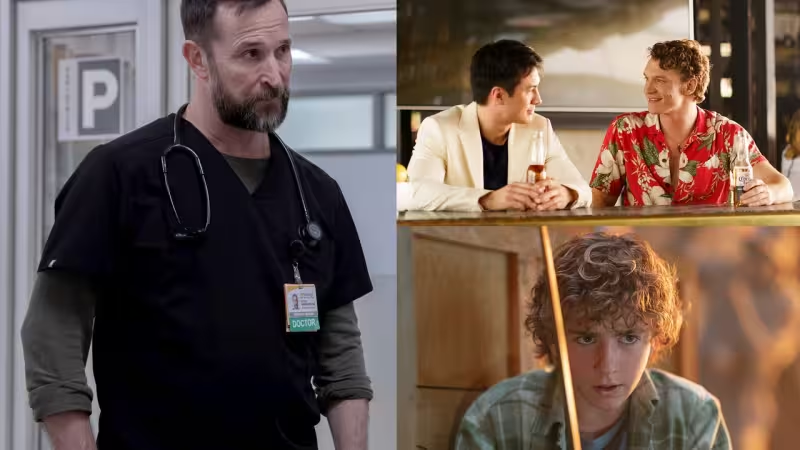
The second season finale of The Pitt turned a medical drama into a confession booth when Dr. Robby said the work in the hospital was killing him. What followed online was not sympathy for the character, but a wave of viewers calling the HBO Max series awful and blaming Noah Wyle.
That backlash is part of a bigger rot in fandom, one that has pushed relationships between viewers and performers into borderline disturbing territory. Gossip handles such as Deux Moi and fan accounts like ClubChalamet have shown how parasocial fixation can become a profitable career path, fed by audiences willing to turn strangers into obsession.
The numbers behind the fixation are stark. The Pitt runs 15 episodes, and the response to its finale landed as the show was already being discussed as Emmy-winning prestige television. The contrast between a story about a doctor saying he is being worn down by saving lives and a fan base deciding the actor is the problem captures how quickly some corners of the internet now blur performance, character and blame.



That blur has forced other shows to intervene. In the recent past, teams behind The Traitors and The Summer I Turned Pretty had to issue statements asking fans to stop cyberbullying and harassing contestants and actors. The official The Summer I Turned Pretty TikTok account even posted that the show is not real but the people playing the characters are, adding the caption, “The Summer We Started Acting Normal Online.”
Then came Walker Scobell. Last week, the 17-year-old said on his Instagram story that he has to sit out prom because fans have threatened to kill every girl he might want to bring as a date. He asked people to stop sending death threats to every teenage girl who could remotely be associated with him based on their proximity to where he lives, adding, “It’s not fair to them or to their families.”
Those are not isolated overreactions. They are what happens when the internet erases the line between story and life and rewards people for treating both as content. The question now is not whether fandom has gone too far; it already has. The harder question is how many more actors and young viewers will have to say out loud that what is happening to them is not devotion, but harassment.