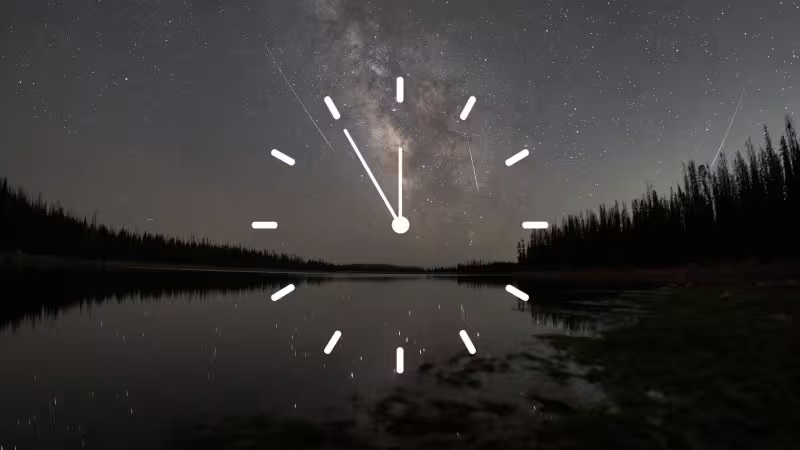
The Eta Aquarids will reach a broad peak overnight on May 5-6, 2026, giving stargazers their best shot at catching the meteor shower may 2026 before dawn on May 6. The shower is active from April 19 to May 28, but the sharpest viewing window comes in the predawn hours, when the radiant climbs to its highest point for viewers in the northern hemisphere.
Under ideal conditions, observers in the southern hemisphere tropics may see up to 50 meteors an hour. In the northern hemisphere, 10-30 meteors per hour may be possible, though moonlight will make the hunt harder. On the night of May 5-6, an 84%-lit lunar disk rises above the southeastern horizon shortly after midnight, and that glow may hide dimmer meteors from view.
The shower’s radiant sits in Aquarius, and for viewers in the U.S. it rises above the eastern horizon to the left of the waning moon roughly three hours after midnight. That puts the best observing window in the hours before sunrise on May 6, when the radiant is highest and the sky is darkest available to most viewers.
That timing matters because the Eta Aquarids are linked to debris shed by Halley’s Comet, and the display is known for meteors that leave persistent glowing trains in their wakes. A smartphone astronomy app such as Stellarium or SkySafari 7 Pro can help locate the radiant, especially for people trying to separate the shower from the bright moon overhead.
The bottom line for this meteor shower may 2026 is straightforward: if you want the best chance to see it, get outside before dawn on May 6, look toward Aquarius, and expect the moon to cut into the view in the northern hemisphere while giving southern skywatchers the stronger show.