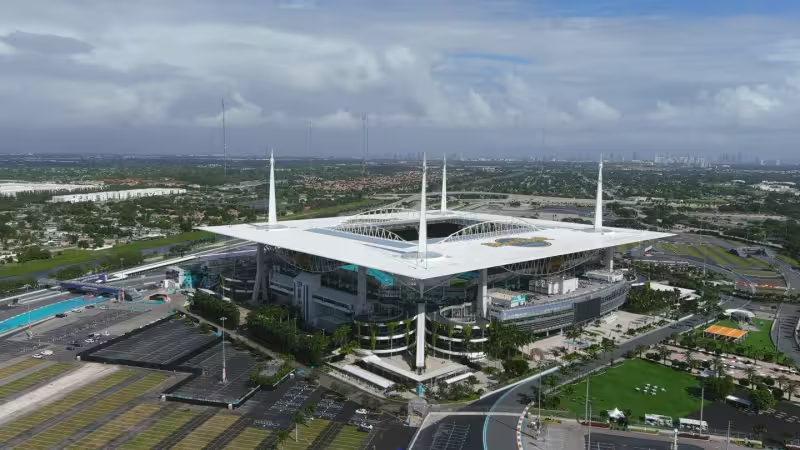
Stephen Ross says Hard Rock Stadium no longer meets the NFL’s requirements for hosting a Super Bowl, a sharp admission from the man who spent heavily to keep Miami in the game. The Dolphins owner said this week that the problem is not the stadium itself but the area around it, which he said changed to accommodate the annual Miami Open and Formula 1 events.
Ross said Miami normally hosts a Super Bowl every five years, but added that the city is “not really in line for one” now because the league does not believe it meets all of its requirements and demands. Miami has hosted 11 Super Bowls, and its most recent came with Super Bowl LIV, when the Chiefs beat the 49ers after a 10-year gap from the previous South Florida title game. That break followed the need for major upgrades to the building itself, including a giant roof designed to protect fans from the rain that fell throughout Super Bowl XLI between the Colts and Bears.
Ross paid for those upgrades himself after deciding public financing would not happen. The latest concerns are different. This time, the issue is the broader footprint around the stadium, where competing events have reshaped the site and, in Ross’s view, made it harder to satisfy the league’s expectations. He said Miami has “by far the best weather” and argued it is in the league’s interest to keep bringing the game back, but also acknowledged the team is now working on fixes rather than expecting a quick return.
Daniel Sillman told Brian Brandell that the team believes there is a solution to meeting the league’s expectations, but Ross’s own comments point to a long wait. Miami will not be getting a Super Bowl in the foreseeable future, and the next three have already been awarded to Los Angeles in 2027, Atlanta in 2028 and Las Vegas in 2029. Nashville is also set to open a new stadium and receive a Super Bowl as part of the taxpayer-money tradeoff that usually comes with new venues, leaving South Florida on the outside looking in for now.
Ross said he still wants the stadium to feel new and said the team is looking at the next phase of improvements. For Miami, that means the path back to the NFL’s biggest game now runs through another round of upgrades, and a broader question about whether Hard Rock Stadium’s home turf can once again satisfy the miami super bowl hosting requirements.